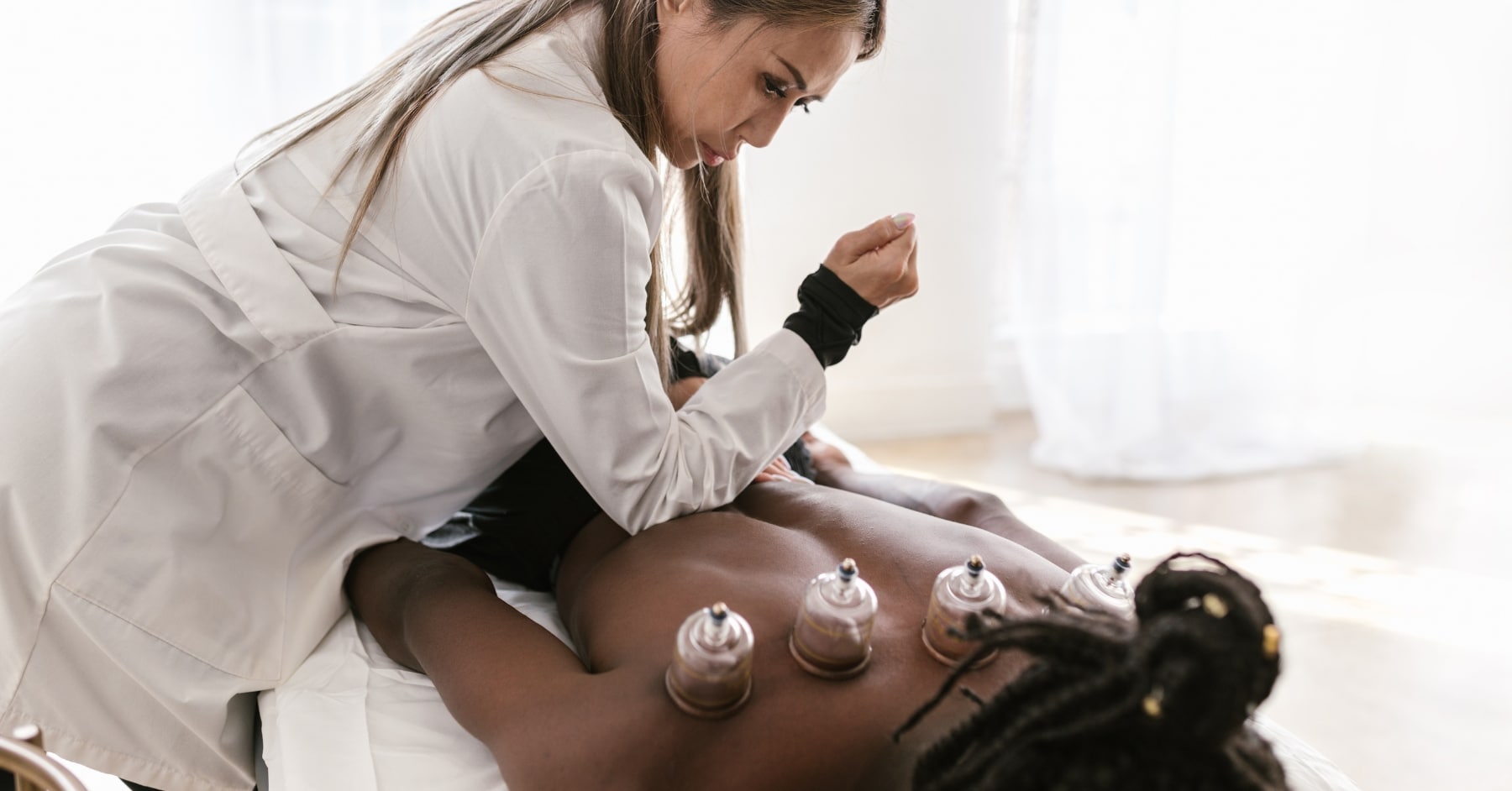

If you’ve never had a professional massage before, or it’s been long enough that you’ve somehow forgotten the drill, the clothing question is a surprisingly reasonable one to get stuck on. Nobody wants to show up in head-to-toe denim and complicated buttons and spend the first ten minutes of their relaxation experience wrestling themselves out of their outfit in a room the size of a broom cupboard.
The short answer is to wear whatever you’d be comfortable getting to the appointment in, because you’ll be removing most of it once you’re there anyway. But if you’d like the slightly longer answer with all the awkward questions addressed upfront — and let’s be honest, you would — here’s everything you need to know.
What to wear to your appointment

Getting there and back
The goal here is comfortable and easy to remove. Think track pants or yoga pants, a t-shirt, and slip-on shoes. You are not going to a red carpet event. Tight jeans with seven buttons and a belt are going to feel like a personal attack when you’re standing in a tiny change room trying to get undressed before your therapist comes back in.
If you’re heading straight from work, just throw a change of clothes in your bag. Most clinics have a small changing area, or your therapist will give you privacy in the treatment room itself. Either way, you’ll be sorted.
What about underwear?
This is the part that tends to send people into a bit of a spiral, and I get it. The answer, mercifully, is that there is no wrong answer. For most massages, you’ll be asked to undress to your own comfort level and get under a sheet or towel. Many people remove everything, others prefer to keep their underwear on. Both are completely fine and neither will raise an eyebrow.
Your massage therapist is a trained professional who has genuinely seen it all. They’ll use proper draping techniques to keep you covered throughout, only uncovering the specific area they’re working on at any given time — your back, your legs, your arms — while the rest of you stays tucked under the sheet. You are not going to be lying there exposed like a sad rotisserie chicken. That is not how this works.
If you’re booked in for something more specific, like a pregnancy massage or a sports massage targeting your legs, your therapist will give you guidance on what to remove before the session starts.
What actually happens during a massage
Before you start
You’ll be asked to fill out a brief health questionnaire covering any injuries, medical conditions, or areas you want your therapist to focus on (or avoid). Be honest here. If you’ve got a dodgy shoulder that’s been giving you grief for six months, this is the time to mention it, not something to heroically power through.
Your therapist will then leave the room while you undress and get onto the massage table, lying face down under the sheet. There’s usually a face cradle so you’re not spending the session with your face completely mashed into the table.
During the treatment
Your therapist will use the sheet to cover and uncover different areas as they move through the treatment. Working on your back? Legs are covered. Moving to your legs? Back goes back under. It’s a very organised and professional system, and you’ll quickly stop thinking about it once the treatment gets going.
The room should be warm (because cold muscles don’t relax, and any therapist worth their salt knows this), dimly lit, and usually playing some kind of ambient music. You can absolutely ask them to turn it off if the pan flute is not doing it for you. It’s your massage. You get a say.
Speak up if something’s not working
If the pressure is too firm or too light, say so. If you’re cold, mention it. If you need a bathroom break halfway through, that’s fine too. Professional therapists want you to actually enjoy the experience, and they would genuinely rather you speak up than lie there quietly suffering. The feedback isn’t rude. It’s helpful.
Different types of massages

Remedial and deep tissue
These are the more clinical, targeted massages designed to treat specific problems rather than just help you unwind. Your therapist might ask you to keep your underwear on for easier access to hip and glute muscles, and they’ll likely ask you to move into different positions throughout the session. It’s more interactive than a relaxation massage, and significantly less relaxing in the moment — but worth it.
Relaxation and Swedish massage
This is your classic spa-style massage. Long, flowing strokes, the whole deal. Most people undress completely for these, but as with everything on this list, do whatever feels right for you. There is no pressure.
Pregnancy massage
You’ll typically lie on your side with pillows for support, or some clinics have special tables designed with your belly in mind. Wear comfortable underwear and let your therapist guide you through positioning. They’ll have done this many times before and will know exactly what they’re doing.
After your massage
You’ll feel relaxed, possibly a little spaced out, and your muscles might be surprisingly tender the next day — particularly if you’ve had remedial or deep tissue work. Drink plenty of water, take it easy for the rest of the day, and resist any urge to immediately book yourself into a high-intensity workout. Give your body a minute.
Your therapist will leave the room again so you can get dressed in peace. There’s no rush, so take your time.
Common concerns, answered

What if I fall asleep?
Completely normal, and honestly a sign that you’re properly relaxed. Therapists are very used to this.
What if I need to pass wind?
Bodies do things when muscles relax. It’s a physiological reality. Professionals understand this and are not judging you. Try not to let the anticipation of it stress you out more than the thing itself.
Do I need to make conversation?
Only if you want to. Some people chat throughout the whole session, others prefer to lie in blissful silence. Your therapist will take their cues from you, and either approach is perfectly acceptable.
What about body hair, cellulite, or stretch marks?
Your therapist is focused entirely on your muscles and soft tissue. They are not there to assess your appearance, and they genuinely do not care. This is a safe space to stop worrying about it.
The bottom line
Wear something comfortable and easy to change out of, communicate with your therapist about your preferences and comfort level, and try to resist the urge to overthink the rest of it. Massage therapists are trained professionals who want you to have a good experience, full stop. The sheet is doing its job. You’ll be fine.
And if you’re still feeling nervous ahead of your first appointment, call the clinic beforehand and ask them to walk you through what to expect. They’ve answered every version of these questions before, and they’d much rather you arrive feeling prepared than spend the whole session quietly anxious about whether you’re doing it right.