
Blush has had moments before. A colour story here, a placement trend there. But what is happening right now is different. This one is about texture, and it has quietly become one of the most significant shifts in cheek products in years.
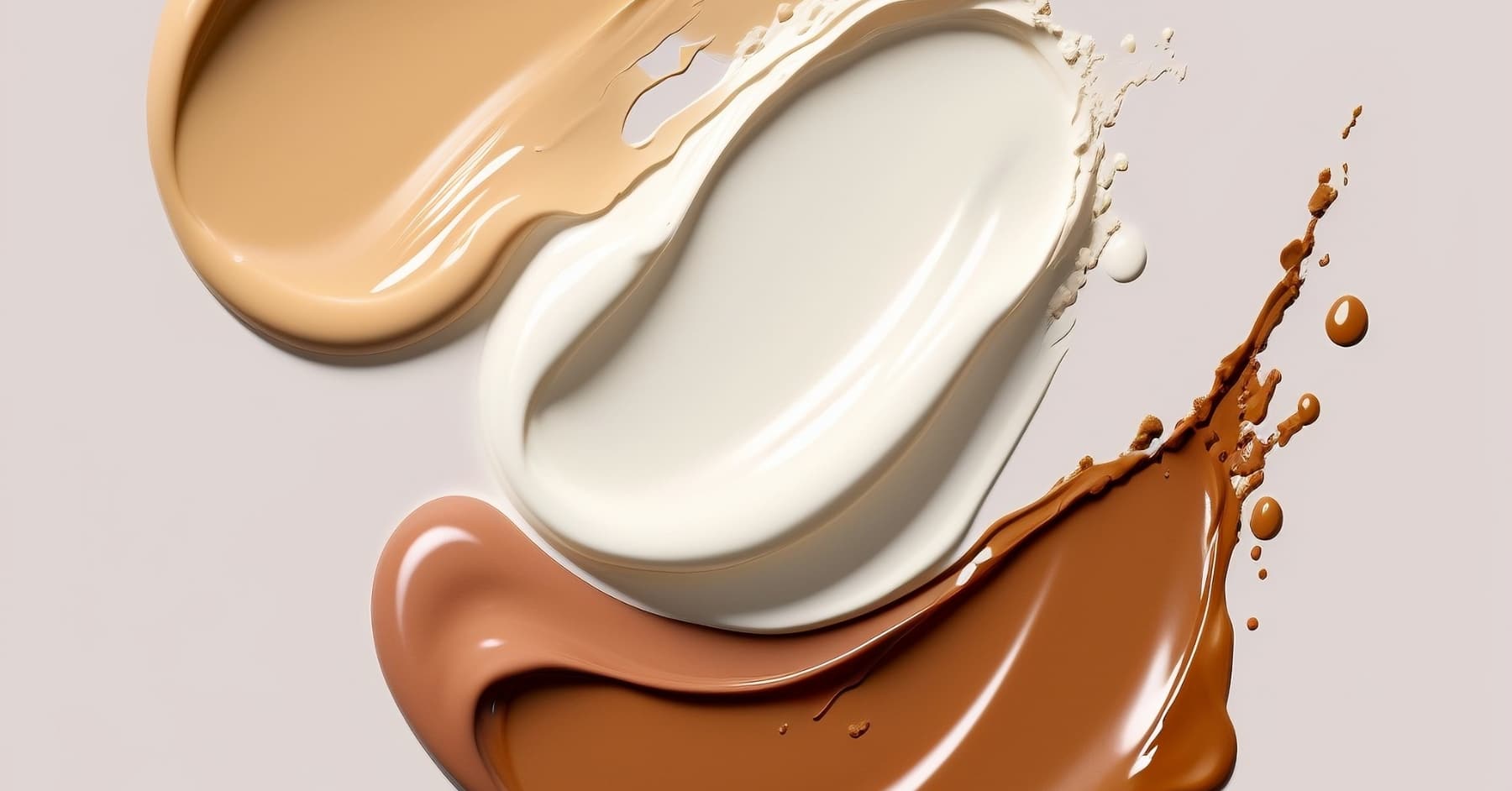
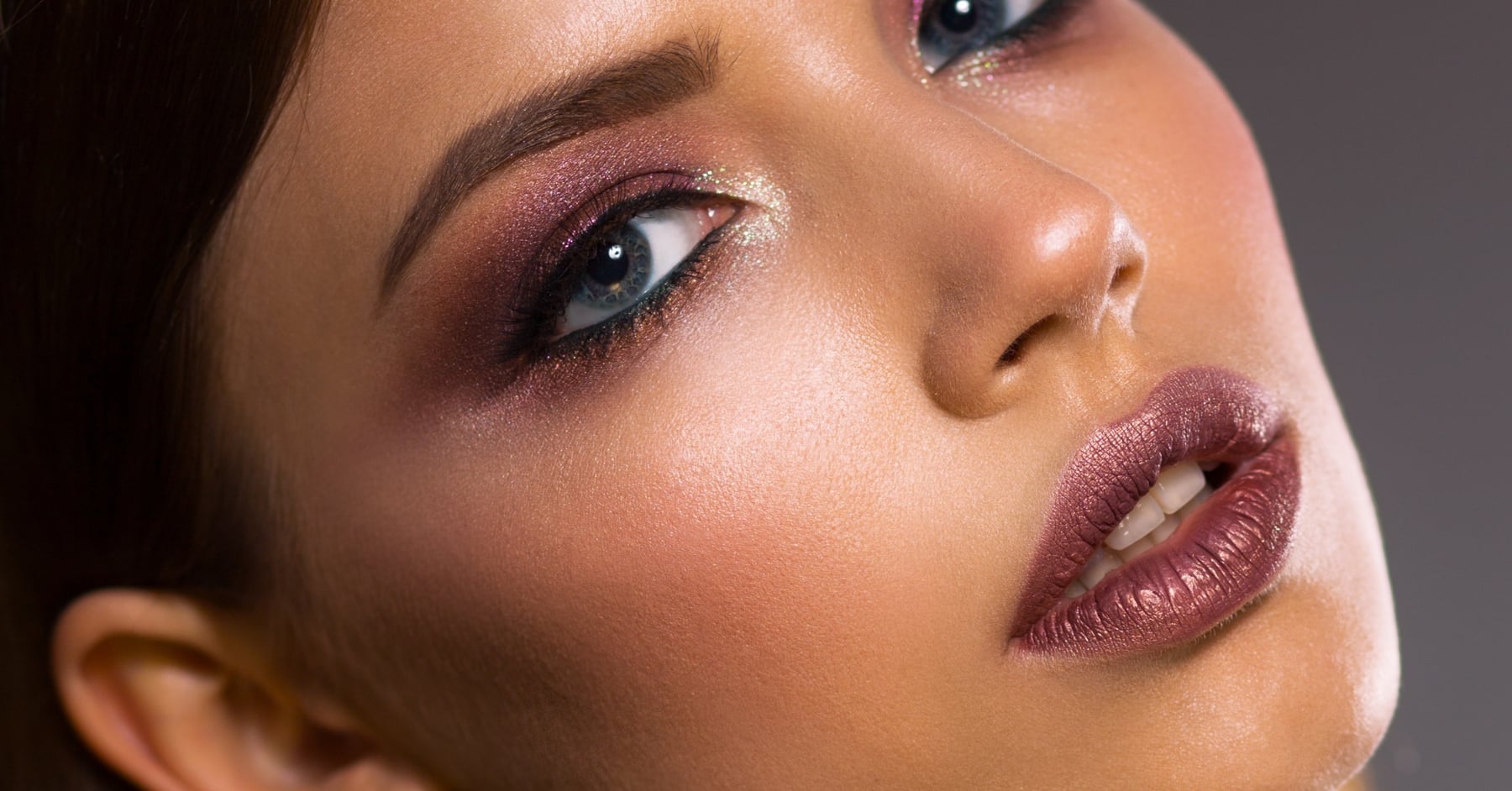
Gel blush, jelly blush, liquid blush, water tint: various names for essentially the same idea. A product that does not sit on top of your skin the way a powder does. Something that sinks in, stains slightly, and leaves your cheeks looking like you have just come in from a brisk walk, or stepped out of a warm shower, or had an unexpectedly good conversation. The finish is wet. Alive. Dewy in a way that powder blush rarely manages to replicate, no matter how expensive it is.
Once you wear it, it is genuinely difficult to go back.
Why Everyone Is Suddenly Talking About It
For a few years there, the dominant complexion aesthetic was polished and perfected. Clean girl. Glass skin. Everything curated to within an inch of its life. Beautiful in photographs, occasionally a little blank in real life.
Gel and liquid blush is almost the opposite of that. The colour looks like it is coming from inside rather than sitting on the surface. It catches light differently. It moves differently. And there is a warmth to it that powder blush cannot quite replicate.
The cultural shift away from the clean girl era has created room for this. So has the growing interest in skincare-makeup hybrids, products that do something genuinely useful for your skin while also making it look good. Almost every gel and jelly blush formula currently on shelves includes hyaluronic acid, aloe, niacinamide, or some combination of all three. They are, in a sense, tinted serums for your cheeks.
TikTok has done a lot of heavy lifting here too. The jelly texture is inherently satisfying to watch: bouncy, translucent, distinctly odd in the best possible way. Milk Makeup’s Jelly Tint sold out within 24 hours of its US launch and built a 45,000-person waitlist for the restock. When it hit Australian shelves, it was gone in minutes. That kind of response does not happen for a product that just works well. It happens for a product that also looks extraordinary.
The Wet-Look and How to Wear It
The finish is one thing. Where and how you apply it is another.
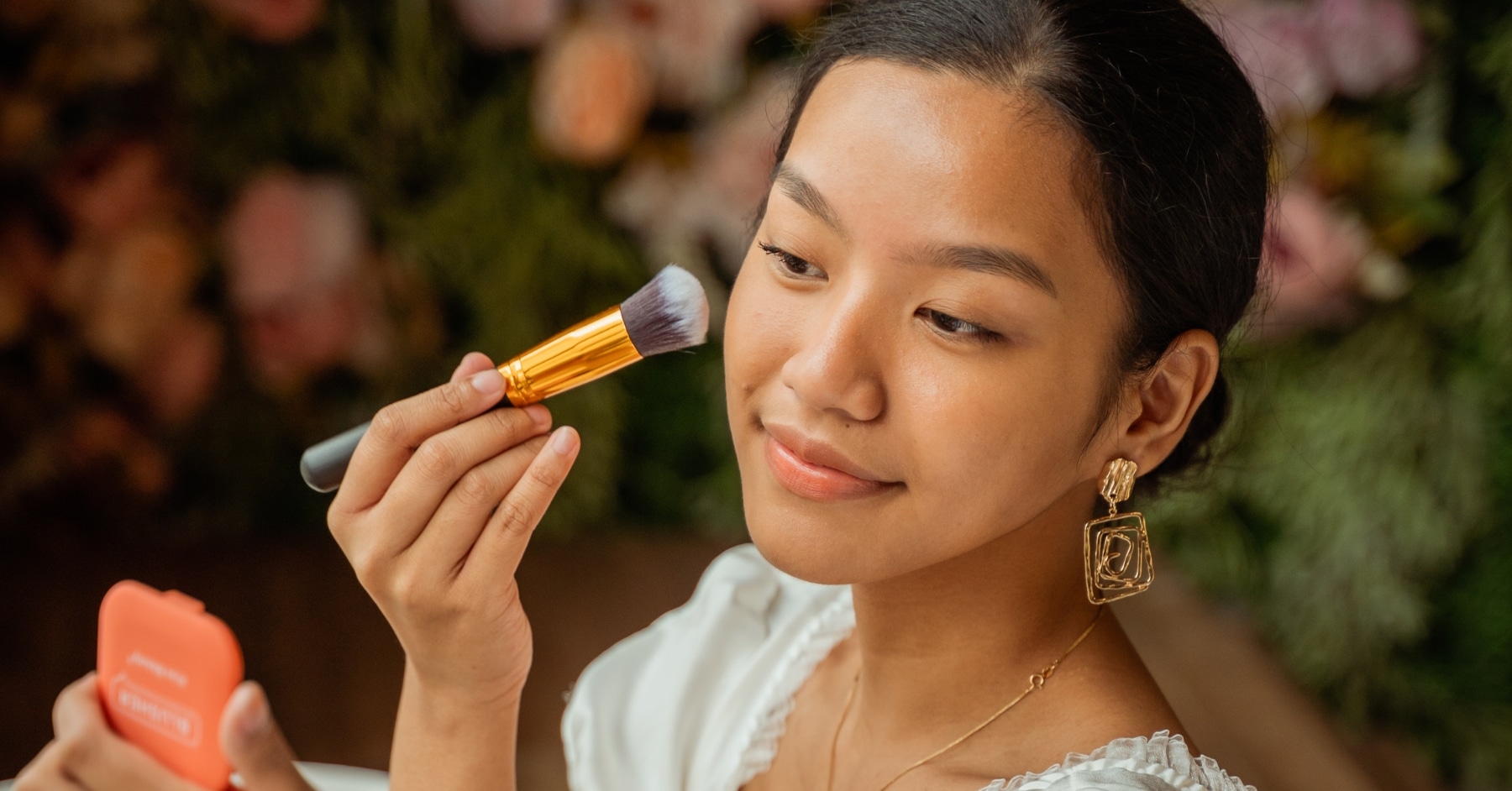
Wet-look cheeks tend to sit high: on the apple, under the eye, sometimes draped across the bridge of the nose in a way that blurs the line between blush and a natural flush. The jelly donut technique involves drawing a circle of liquid highlighter on the cheekbone, placing blush at the centre, then blending outward to create a glassy, dimensional glow that reads as lit from within rather than made up.
The monochromatic approach has real momentum too. Matching blush to lip colour and sometimes the eyelid using the same formula, a single warm tone across the whole face. Multi-use gel and jelly formulas lend themselves to this naturally, and the result is somehow both minimal and noticeable, which is a fairly difficult thing to pull off.
Blush under the eyes is the more polarising placement and it is not universally flattering. But it has had real staying power on social media. Liquid formulas work best here because you can sheer them out to almost nothing, adding warmth without the chalkiness that powder would introduce.
The Products Worth Knowing About
Milk Makeup Cooling Water Jelly Tint
The one that started the conversation. Available at Sephora Australia, it is a water-based gel in stick form that delivers sheer, buildable colour for cheeks and lips. Niacinamide, aloe vera, and vegan collagen are all in the formula. The texture is unlike anything else in the category: bouncy, cooling on contact, and it stains without looking applied. One sells every 20 seconds globally, which is either impressive or slightly alarming depending on how you look at it.
Rare Beauty Soft Pinch Liquid Blush
Soft Pinch at Sephora has become one of the most talked-about blush products of recent years for good reason. A doe-foot applicator delivers a formula that genuinely needs only one or two dots per cheek. Dewy without being shiny, intensely pigmented, available in matte and radiant finishes. The general advice applies here more than anywhere: use less than you think you need, then halve that.
Glossier Cloud Paint
Cloud Paint, available at Sephora, is probably the product that kicked off the gel blush category’s mainstream moment. A squeeze-tube delivers a gel-cream formula that blends with fingers and produces a natural flushed look that powder cannot match. It has been reviewed obsessively for the better part of a decade because it keeps delivering. Ten shades. Again: less product than the tube makes you think.
Benefit Benetint
The original. Benetint is a rose-tinted liquid stain that has been around long enough to feel like a founding member of this whole category, and people who love it have never stopped buying it. Lighter and more transparent than the newer generation formulas, which makes it a good entry point if you want something that looks like absolutely nothing but adds real warmth to the face.
Rhode Pocket Blush
Hailey Bieber’s Rhode brand entered Sephora Australia in late 2025. The Pocket Blush is cream rather than a true jelly, but it sits within the same dewy, skin-first aesthetic. Finishes are very sheer and natural. Six shades. Not for people who want drama, very much for people who want to look like they are not wearing anything.
Charlotte Tilbury Blush Wand
Charlotte’s Blush Wand takes the liquid formula in a different direction with a silky matte finish. Worth knowing about if you like the ease of liquid application but want to avoid any hint of shine, particularly in warmer weather.
Flower Blush Bomb Color Drops
The affordable entry point. At Chemist Warehouse for around $7, this has been consistently cited as one of the better Rare Beauty dupes in the Australian market. Lightweight, dewy, buildable. If you want to try liquid blush before committing to a Sephora price point, start here.
A Few Things Worth Knowing Before You Buy
These formulas behave differently to powder and reward a slightly different approach.
Work quickly. Gel and liquid blush sets faster than powder, especially on drier skin. Apply in small amounts, one cheek at a time, and blend with fingertips immediately. Once it dries, it is very difficult to correct.
Use less than you think. This is particularly true of Rare Beauty’s formula, which is aggressively pigmented. A dot the size of a pinhead per cheek is genuinely enough to start. You can always add more.
Prep your skin first. These formulas read differently depending on what is underneath them. On bare, well-moisturised skin they tend to look their best. Over dry patches, they can cling and emphasise texture. A decent moisturiser before your base makes a real difference.
They work over foundation, but timing matters. Apply while the foundation is still slightly tacky rather than fully set. Some gel formulas will slide on a silicone-heavy base, so it is worth testing before you have a full face on and nowhere to go.
Blush has not been this interesting or this varied in a long time. Whether the appeal for you is the skincare angle, the wet-look finish, the deeply satisfying texture, or just that it makes your face look better in natural light than a powder ever quite managed, there is now a formula worth trying at almost every price point. From $7 at Chemist Warehouse to $60 at Charlotte Tilbury, the core technology across all of them is more similar than the price gap suggests.
Start with less. Build slowly. And consider buying two of whichever one you love, because they have a habit of selling out.